Tuesday, April 19, 2022

Soup for a Cold April Day

April is when you want to open your windows. But more often than not, it's too cold to do so! Here is a soup I contrived for such days, when the sunlight says Spring, but the weather is not there yet.

Serves four. You'll need a good blender. Sublime in a Vitamix.

1 Tablespoon olive oil

2 English (seedless) cucumbers, sliced lengthwise and "seedless" middle part scooped out, then cut diagonally into 1/4" slices

1 yellow onion, chopped medium-fine

1 garlic clove, minced

1 quart chicken broth

1 medium-sized Yukon Gold potato, peeled and cut into 1/4" slices

Salt, pepper (white pepper is best for a delicate soup like this)

5 leaves fresh mint

Yogurt or sour cream (optional)


Heat a pan over high heat and add olive oil. When oil smells fragrant and a drop of water sizzles in it, turn heat to medium-low. Add onion and cook, stirring every now and then, until golden. Add garlic, stir for 30 seconds. Add chicken broth and potato, bring to the boil, then turn down heat so soup simmers. Let simmer 10 minutes. Add cucumber, and simmer 5 minutes more.

Add everything in pot to a blender and puree. Add salt and pepper to taste. Add mint and puree a little bit longer. Soup should be thick enough to be just pourable. 

Serve cool, as first course for a nice warm dinner; have yogurt or sour cream available for those who want to dollop some atop their soup. 

I served this as a starter for the following salmon recipe. Followed with a Horlicks and a lavender melatonin epsom salt bath, I slept like a baby.

https://www.eatingwell.com/recipe/250469/seared-salmon-with-braised-broccoli/


Friday, April 23, 2021

How to: Провідна Неділя (Providna Nedilya)

 
Providna Nedilya (loosely translated: Departing Week; pronunciation "proh-VEED-nah neh-DEEL-yah") is a holiday in the Ukrainian Orthodox calendar. It is held the weekend after Easter, with a all activities in or near the graveyard: planting, picnics, and parades, culminating with church services on St. Thomas Sunday. All weekend long, clergy also hold outdoor services at the gravesites, singing the Paschal Troparion (at the end of this page), as their black cassocks and long, gold-embroidered stoles flutter in the spring breezes. In a tradition that surely predates Christianity, people leave baskets or plates at their family's graves, with Easter foods, flowers, and decorated eggs, to share the spirit of the holiday with their departed loved ones. 

I love celebrating this holiday with family and friends. It's about honoring our ancestors (we tidy their gravesites and surround them with living plants, and then picnic together) and rejoicing in the renewed life of Springtime. With pagan roots and Christian tradition, this holiday brings loving care and good tidings to our dead, and gives those of us still living occasion to celebrate that fact.

This is how I celebrate Providna Nedilya here on the East Coast of the United States. First: plan ahead. I have a checkoff list (below) I share with two other families so we can potluck food and supplies. Second: leave for cemetery an hour before you think you need to. Trust me, you'll appreciate having the wiggle room. Third: set up tables, chairs, and food (there is always one person who is happy to just sit and guard the spread) so it's ready when we've finished tending the gravesites and have worked up an appetite. Extra credit: bring a Kelly kettle or some other means of boiling water outdoors, to make coffee and/or tea.
 
My late lunch menu has dishes ranging from Very Ukrainian to just Ukrainian-inflected. The central dishes are those that maximize ingredients forbidden (meat, eggs, dairy) and restricted (fish, alcohol) during the Great Lent. Are we strict about fasting? We'll keep that to ourselves. But no matter how you've conducted yourself, the taste of a fresh kolbasa eaten outside on a beautiful Spring day will inspire a religious level of gratitude.

PROVIDNA NEDILYA MENU (items marked with an asterisk* have recipes below)

Zakusky (appetizers)
Smoked fish (herring, salmon, and if you're splurging, sable) 
 
Fresh and/or pickled mixed vegetables (for pickled, ok to get the mixed mushrooms, cucumbers, peppers, tomatoes in a jar available in Slavic food stores)

Fresh dill, chopped, to sprinkle on things
 
Cream cheese

Hard-boiled eggs or herbed deviled eggs such as these

Drink
Mineral water, Zoubrovka (get the real stuff, not the artificially-flavored neon green abomination), Kompot (homemade or bottled)

Soup
*French-Ukrainian Sorrel Soup


Julian Baczynsky (1923-2021),
at his East Village Meat Market
Mains
Variety of kolbasy (I like regular, double-smoked, and kabanosy --"hunter's sausage") and butcher-carved ham, with mustard, horseradish, and fresh rye bread.


Spring Salad with Sunflower Seeds (click for a recommended recipe)


Dessert
*Cheese Paska
Easter Babka
Poppy seed roll
Fresh fruit (I like blueberries and raspberries)


RECIPES

French-Ukrainian Sorrel Soup
Serves 8
 
Ingredients:
  • White and pale green parts of four large leeks, washed well, drained, halved, and thinly sliced
  • 2 tablespoons olive oil
  • 4 Yukon Gold potatoes, peeled and cut into 1" pieces
  • 2 parsnips, peeled and sliced into 1/2" pieces
  • 4 cups homemade chicken broth
  • 1 cup shelled fresh or thawed frozen peas
  • 2 cups lightly packed sorrel leaves, washed & spun dry
  • 1/2 cup sour cream
  • 1 teaspoon fresh lemon juice, or to taste
Cooking Instructions
  1. In a large heavy pot such as a dutch oven, cook leeks in oil with salt and pepper to taste over moderately low heat, stirring, until softened. Meanwhile, prep potato and parsnip; add to broth and simmer, covered, about 10 minutes or until potato and parsnip are both tender. Stir in peas and simmer, uncovered, about 5 minutes, or until peas are just cooked through; do not overcook, or peas will become mushy and lose flavor.
  2. In a blender purée potato mixture with sorrel in batches until very smooth, transferring to a bowl. Whisk in sour cream. Add salt and pepper to taste. Chill soup, covered, at least 2 hours, and up to 24.
  3. Serve in bowls, and sprinkle lemon juice on top.


Cheese (Syrna) Paska for a 4.5" diameter flowerpot

Ingredients:

  • 1⁄2 lb. Farmer's Cheese, aka Tvorog, at room temperature
  • 3 large egg yolks
  • 1⁄2 cups confectioners’ sugar
  • 1⁄2 c. heavy cream
  • 1 teaspoon vanilla
  • 1⁄4 lb. whipped unsalted butter
  • Grated rind of one lemon 
  • 1⁄4 c. golden raisins
  • 1⁄4 c. brandy
  • 2 Tablespoons water

Cooking Instructions:

1. Warm a sieve or food mill with boiling water, then pass the farmers' cheese through and set aside somewhere warm.

2. In the top of a double boiler, mix egg yolks with sugar. Add cream and heat over barely simmering water, stirring constantly until bubbles form around the edge of pan. Don’t overheat or the eggs will curdle.

3. Remove from heat and add cheese and vanilla, mixing well.

4. Add butter and continue stirring until mixture cools. 

5. Stir in lemon rind.

6. Place in Vitamix or other high-powered blender and blend on High Speed for two minutes until mixture is almost as smooth as pudding.

7. Put brandy, water, and golden raisins in a small pot. Bring to a boil and reduce heat to low; cook, covered, for 10 minutes. Pour while still hot into a jar. If liquid does not cover raisins, add more hot water until it does. Seal and allow to rest while paska drains in fridge. Raisins will plump up over 24 hours.

8. Line clay flower pot with a quadruple thickness of dampened cheesecloth. Pour the mixture inside and cover with cheesecloth.

9. Place the flowerpot in a large mug or bowl that leaves room for drainage underneath pot. Place a small plate or flat-bottomed receptacle on top of the paska surface and weigh down with a weight of at least 1 lb. Keep in refrigerator until serving time.

10. Refrigerate at least 24 hours. Flavor and texture improve with more time. Check weights: if they've pressed down the paska and are resting on the pot edges, replace with a smaller plate/receptacle and keep weighing it down with same or even a little additional weight. 

11. Unmold carefully and turn upside down on a plate. Decorate with drained brandied raisins.

12. Slice thinly. Best served with a bread babka as a spread/topping. Also lovely in a small dish with fresh berries.


POTLUCK CHECKOFF LIST
 
To make a nice outdoor picnic, these are the supplies needed. Split this list up between three or four families/individuals, and it'll be manageable!

Equipment
__Folding tables
__Folding chairs
__Tablecloth
__Tablecloth clips (some fun ones here: https://www.etsy.com/market/tablecloth_clips)
__Glasses
__Plates (if paper, bring three times the amount you think you'll need)
__Napkins (ditto above)
__Silverware
__Two garbage bags
__Box of quart-size ziplock bags (use for ice on the way in, and leftovers on the way back)
__Plastic bin (If using real china, glass, and silver, then also bring a plastic bin big enough to accommodate all used items so you can bring them back home in a sanitary fashion and wash them there)
 
 
Food, blessed on Easter if possible (include serving utensils)
 __Zakusky - fish and vegetables
 
__Kolbasy and ham, assorted
 
__Mustard and horseradish
 __Rye and/or other bread, sliced
 __Cream cheese and butter
 
__Hard-boiled eggs, deviled and/or plain
 
__Soup
 
__Green Salad
 
__Traditional Salad
 __Homemade Babka
 __Homemade cheese Paska
 __Poppyseed roll
 
__Fruit
 
__Nonalcoholic drink
 
__Alcohol
 
__Tea, coffee, milk, sugar


PASCHAL TROPARION


Tuesday, November 26, 2019

Thanksgiving: the battle of the side dishes

It's the last week of November 2019, and I'm with my wee family (three of us left now) in Western Massachusetts. The Thanksgiving menu is mostly set: brined & roasted turkey breast, Trader Joe's cornbread stuffing mix and sausage, cranberry orange relish, homemade pumpkin pie.

What's missing? The green side dish. I'm pretty religious about my Thanksgiving plate including some green. The simpler the better. But after ten straight years of green beans almondine, a doughty recipe to be sure, I want something different.

I trawled Epicurious, Eating Well, and Food & Wine for good green bean sides. Along the way, I found four that fit my requirements this year, but caught in my net almost a dozen tasty other options I'd like to revisit for other meals, holiday and ordinary. The fruits of my research, for your delectation, are as follows:

THIS YEAR'S CONTENDERS

Just a basic review of how to cook beans and nuts together. I like the suggestion of nut oils.

So pretty! The beef fat option is intriguing...not sure how I feel about the tarragon.

Would probably dial back the tarragon here too.

What fun!

FOR ANOTHER TIME


Sometimes these recipes seem like you could replace the central ingredient with an old shoe and it would still be fantastic.

A special presentation. I'm game to try it.

This makes me want to eat cauliflower.

So does this.

What a gorgeous thing to do to carrots.

And to sweet potatoes.

Can you imagine this gracing your table on a snowy winter's day?

Pretty presentation of those narrow little fingerlings.

You had me at shallots and puff pastry.

"Hot honey" seems to be having its fifteen minutes, but I'd polish these off in a few seconds flat.

Being a gringa, I'd dial back the chile.

Tuesday, December 11, 2018

Silk, wool, feathers, fur: the animal-based Zen of staying warm

Apologies right off to strict vegans or anyone else offended about the fur thing.*

Todd Maisel, for The Brooklyn Eagle
We seem to be having a winter this year. Cold temperatures and a heavy wet snow (Winter Storm Avery, pictured beleaguering a Brooklynite at right), surprised the New York City region on November 14. On my way to chorus rehearsal, I knew I was in trouble after only one block from the subway. I was wearing a wool pea coat but no hat. The cold reached in deep, sipping on my life force. I ducked inside a warm store, and thought longingly about my serious winter garb back home.

As a middle-aged female of partly Eastern European stock, I am by nature nicely insulated for cold weather. As long as I have the proper clothing I can stay as warm and comfortable outside as I am right now sitting indoors at my computer, even if the temperature goes down to 10F (it rarely gets colder in NYC). However, I've realized over the years that certain fibers are better than others for the purpose of staying warm, and I wanted to share this information with you all. Two tropically-reared friends -- a college pal and a roommate -- once appreciated this information enough to tell me that although they still hate winter, they now feel it won't necessarily kill them.

You can make a good argument for synthetic fibers/fabrics these days; I own a thinsulate blanket and love its light warmth, and it certainly is a breeze to clean. But nothing beats natural fibers. Your body understands them and works with them.

So we've touched on the fact that a hat is essential for staying warm. I leave it up to you what hat you choose, but suggest it contains at least some wool and covers your head at least down to the tops of your ears. But what to wear on the rest of you? Here's a review, by fiber type, to help you choose everything from base layers to outerwear. And how to clean it.

Silk worm, cocoon, and filaments
Silk
As a base layer, this fiber is an excellent first defense against chill. Get a pair of silk long underwear, a long-sleeved top and leggings, both with comfy but snug cuffs. The material should be thin enough to fit under all but your tightest clothing. Shop around; you can get tops and bottoms for a total of $50 or so. Silk breathes very well, so you should not have problems wearing long underwear indoors unless your home or workspace is horribly overheated.  How to clean silk: if your garment is dyed, I like Martha Stewart's instructions. If not, I find silk long underwear can be washed inside a mesh bag in a load of cold, gentle-cycle laundry using a delicate-wash detergent, preferably with the Woolmark label. I use Woolite (rarely) for stained or heavily soiled silk, Ecover Delicate Wash for normal wear, and Eucalan for end-of-season wash of lightly used garments.

Wool
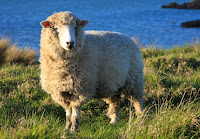
Merino Sheep
My blog is named Brooklyn Sheep because I am a hand spinner and know a lot about wool, the quintessential warm fiber. Sheep's wool comes in all sorts of varieties, from thin and soft to thick and impenetrable (such as boiled wool). If you have one fine-textured sweater (lambswool, merino, or cashmere) and one larger thick sweater (such as a cabled sweater or ski sweater), that should be enough. 100% wool is best. Really. (Are you thinking: why get myself something I'm going to have to dryclean every time I wear it? See below.)

How to clean wool (and mohair): First off: dry cleaning isn't necessary! I’ll show you how to handwash, and I promise it’s less effort than you think.

First off: This might gross you out a bit, but your wool garments will last longer if you wear them a few times before washing, and then wash them by hand.

To wash by hand will occupy a big sink or the bathtub for an hour, most of it rest time. Get some Eucalan, a special wool soap (not expensive at bulk sizes) that you do not rinse out, because gently squeezing the soapy water out of your garment will flush out most dirt.You can get the unscented kind and add your own essential oils; I like a mixture of cedar, rosewood, and lavender to help deter moths. Put a squirt or two of Eucalan in the sink or tub right under the tap (cool, not cold water) as it's running. You will need a two-inch depth of water. Just lay your garment gently on the surface of the soapy water, and walk away: let it sink in and soak for about an hour. You can gently, slowly push garnents below the water line if they’re taking more than 20 minutes to sink, buy Do Not Agitate: moving wool garments around in water, even cool water, tends to shrink them. At the end of the soak, move the garment to the side and let the sink drain. Gently press down on the garment to expel water. After pressing out as much water as you can accomplish in the sink,* lay your damp garment flat on one or two old towels, roll up like a jelly roll, and squeeze. Then lay the garment flat on a fresh towel (or even a special mesh drying rack like this or this — the latter is my fave for its small size when compacted), and let air dry; unless your home is really humid (above 50% humidity), a thin sweater will be dry by the next day, and thick sweaters in one more day. Your woolens will be soft and clean. The natural lanolin in Eucalan will soak into the fibers and keep them pliant. Any other treatment -- even delicate wash soaps like Woolite -- will strip wool fibers and leave them vulnerable to breakage. That's what makes wool itchy (to be fair, cheap wool garments will always be scratchy - they are made of low-quality, short wool fibers that either come unspun or break easily, leaving shreds that stand out like tiny prickles, like split-ends on human hair).

* If you’re washing a lot of wool and/or silk garments regularly like me, I highly recommend the Nina Soft spin dryer. Place it in the tub, load your damp garments, and it will spin out more water than the towel method can achieve.

Non-sheep wools

© R.T. Willbie/Animal Photography
Yes, there's a rabbit under there.
© ItsNature
Mohair is in a class of its own. According to the Encyclopaedia Brittanica, the word "mohair" is derived from the Arabic mukhayyar ("goat's hair fabric").This is wool from the angora goat (right).

Do not confuse this with "angora," not technically a wool, since it's made from the hair of the angora rabbit (left), which gives garments a kind of furry halo; it is much more delicate than mohair, so best for items you wear infrequently. To clean angora: for 100% angora garments, dry-clean only, but if it's a blend, you can probably hand wash as for wool/mohair.

Mohair varies in fineness and quality according to the youth and breeding of the animal. Most mohair is a bit scratchy; I generally don't wear it against the skin. The finest variety is kid mohair, which is from the first shearing of a young angora goat. To clean mohair, see wool (above).


© AnimalSake
For the softest natural wool, there's qiviut. Incredibly expensive, this is the undercoat of the musk ox, pictured left. If you have $650 to burn, you can get a tunic of this stuff knitted by a cooperative of native Alaskans. To clean qiviut, tell your dry cleaner to treat it like silk. If you dare hand-wash, put it inside a fine-mesh laundry bag with the least amount of Eucalan possible.

©Peru Hop
Curious about the difference
between Llamas and Alpacas?
Alpaca (right)  is a more affordable fiber that is soft enough to be worn against the skin, particularly if it's baby alpaca. To clean alpaca, dry clean at a silk setting, or hand wash like for Qiviut.


Summary so far: wool plus silk should do

Wearing silk underwear plus a wool sweater should take care of your warmth needs in almost any situation. However, you may not wish to dress in layers. In this case you want to move on to the next levels of fiber warmth: feathers and fur.

Feathers
©Vero Linens 
I'm talking about down. Goose feathers are okay for pillows and, when mixed with goose and/or duck down, for comforters, but for warm garments down is the only game in town. The fine filaments of these under-feathers, which both insulate and waterproof a fowl's belly as it glides through cold water, can trap air and warmth without weight. I can wear cotton clothing under a down coat and stay toasty warm.

When I launder a down garment or my comforter, I use Nikwax Down Wash. It takes some time, but I prefer this to the expense and toxicity of drycleaning. I recommend that anyone living in areas where winter temperatures stay below freezing (32F) for weeks at a time get herself a down coat that reaches at least to mid-thigh and has a hood. If you wear a close-fitting hat under the hood (and be sure you're wearing a decently thick wool sweater too), you should be comfy down to 0F. Add a mohair scarf to cover the lower half of your face and provide extra insulation around your neck, and you should be comfy in windchills down to -20F.

Ethical stuff/trigger alert: wool and feathers are collected from animals who remain alive after the process; silk is made from the cocoons of moth pupae who are killed in the process. The final fiber in this list, fur, requires the slaughter of an adult mammal.

Fur
This fiber is controversial in my culture. But when you're dealing with serious wind chill -- here are definitions of the federal government's wind chill warnings, plus a handy wind chill chart -- well, there's nothing like putting another skin between you and that cold. Especially if it's furred. Think about buying used or vintage fur garments if you feel uncomfortable about supporting the fur industry.

Ushanka, literally "ear flap hat"

Once upon a time a friend lent me his real Russian rabbit fur trooper hat. The kind Russian soldiers wear while marching across Red Square in winter. My friend's hat was spectacularly warm! I wore it the first day of the 1996 blizzard in NYC. It not only kept me warm; it made my head look huge. When I shopped at Fairway that afternoon, people got out of my way (rare event for a shy creature like me). One of those reptile-brain things? ("Big head = something I don't want to mess with.") I shoved my cart through crowds of bread-and-milk-hungry Upper West Siders and got out of there at my own speed. It was wonderful.

I have stopped at the level of the fur hat. Perhaps at some point I will own a fur coat; however, that seems to be a level of luxury that just doesn't jibe with my idiom. One needs a certain amount of glam and the right setting -- perhaps transportation in a chauffeured Bentley -- to "do" a fur coat well. I saw a lady tourist on the subway once, sporting a beautiful ankle-length fur coat, and it was ridiculous. She might as well have been wearing a "you can mug me now" sign around her neck.

To care for fur garments, a professional fur cleaner is your best option, though I suppose these tips from wikihow could work, and these brushes are rather pretty.


* I don't like the idea of animals dying to keep me warm. But as an omnivore, I engage in that transaction almost every day. At least, if I wear something made of fur, the death of the animal is something I honor for years, even decades, of wear and careful storage.

Friday, November 23, 2018

Dinner at the Oasis


These recipes are from Eating Well's Rush Hour Cookbook, published in 1994. The entire dinner is only 826 calories per serving, with 19% of calories from fat. Serves 4. It's one of my favorite vegetarian dinners.

Vegetable Tagine with Couscous

3 tsp. olive oil
1 onion, finely chopped
2 cloves garlic, sliced
1 14-oz can whole tomatoes, drained and chopped
2 cups reduced-sodium chicken or vegetable stock
1/4 cup slivered almonds (original recipe had whole blanched almonds, but I find slivered are easier and just as tasty)
1/3 cup raisins (or currants)
2 tsp. ground ginger
2 tsp. paprika
1 tsp. ground cinnamon
1/4 tsp saffron threads
6 oz. green beans, ends trimmed, cut into 2-inch lengths
2 carrots, peeled and cut into 1/8" slices
1 15-oz can of chickpeas, drained and rinsed
1 red bell pepper, cored, seeded, and cut into 1" pieces
1 1/2 cups couscous, preferably whole-wheat
1/2 tsp. salt
1 1/2 Tbsp. lemon juice
1-2 tsp harissa or Chinese chili paste, to taste
freshly ground pepper to taste
Chopped parsley for garnish

In a soup pot, heat 2 tsp. of the oil over medium heat. Add onions and cook until golden, 3-5 minutes. Add garlic and cook 30 seconds more. Stir in tomatoes, stock, almonds, raisins, ginger, paprika, cinnamon, and saffron; bring to a boil. Add beans and carrots; return to a boil. Reduce heat to low, cover, and simmer for 10 minutes. Mix in chickpeas and peppers; cook, covered, until the vegetables are tender, 7-10 minutes.

Meanwhile, in a large saucepan, bring 2 1/4 cups of water to a boil. Stir in couscous, salt, and remaining 1 teaspoon of olive oil. Remove from heat, cover, and let stand for 5 minutes. Fluff with a fork.

Just before serving, stir lemon juice and harissa or chili paste into the stew. Season with pepper, garnish with parsley, and serve over couscous.

Romaine & Fresh Herb Salad

1 clove garlic, cut in half
6 cups washed, dried, and torn Romaine lettuce (approximately 1 head)
1/3 cup finely chopped fresh parsley
2 Tbsp. chopped fresh chives or scallions
1 Tbsp. finely chopped fresh dill
1 Tbsp. finely chopped fresh mint
1 1/2 Tbsp. balsamic vinegar or lemon juice
1 Tbsp. olive oil
salt and freshly ground pepper to taste

 In a small bowl or jar, combine vinegar or lemon juice and salt and pepper, shake to dissolve. Add olive oil once salt is dissolved. Rub a large salad bowl with the cut sides of the garlic. Place romaine, parsley, chives or scallions, dill, and mint in the bowl. Drizzle dressing over greens, toss, and serve.

Apricot Whip with Raspberries

1/2 cup firmly packed dried apricots
1/2 cup orange juice
1/4 cup sugar
2 Tbsp. brandy or 1 tsp. pure vanilla extract
1 1/2 cups nonfat plain yogurt
1/2 cup fresh raspberries or frozen raspberries, thawed

In a medium-sized saucepan, combine apricots, orange juice, and sugar. Bring to a boil, then reduce heat to low and simmer gently until the apricots are tender, about 12 minutes. Transfer all saucepan contents to a blender or food processor, add brandy or vanilla, and puree. Transfer to a bowl and stir in yogurt. Chill until serving time. Serve topped with raspberries.


Thursday, May 31, 2018

The Tin Box, or, How to leave your affairs in order

Death is not a fun topic. But as executrix of my father's estate, I wanted to share one tool he made use of during his lifetime that made things much easier for me immediately after he was gone. I strongly recommend everyone set up a document box like this for their loved ones, and themselves.

He called it "the tin box," even though his was made of steel. It's not fancy, and not even that big: just 3"x5"x10".  Fireproof, it contained the documents I'd need right away after he died, and some simple instructions. He made sure I knew where he kept it in his apartment.


Here's what it contained:
  • Will
  • Living will/advance directives
  • Social Security card
  • Proof of military service and honorable discharge*
  • Official copy of his birth certificate**
  • Official copies of his parents' birth certificates **
  • Statement from the bank account he shared with me, so I could immediately pay his bills and funeral expenses
  • A printout of an Amazon page for a book about humanist funeral services, on which he wrote the music he'd like played at his service!
 
*If the deceased was honorably discharged from the military, he or she will get a discount on funeral expenses, and the funeral home will provide an American flag (folded into a presentation triangle) on request for no charge.

** The funeral home prepares the death certificate (I suggest asking for eight certificates, since you will need to surrender them for financial and other purposes). The funeral home application requires specific information from all these asterisked documents. The drudgery of filling out the long and repetitive application was made much easier on the traumatic day of my father's death by having these documents on hand. The funeral home will need copies of military letters and your driver's license, so unless you have a fax, it would be extra wise to scan these documents and keep the digital copies easy to find.

Why "tin box"? I think his parents must have kept their important documents in a tin box like the one at right, and he carried on the name. This one is for sale online from someone else's estate. If you want a new document box just like my dad's, the one at left got good reviews on Amazon.

Think ahead, and leave your affairs in good order, like my dear old dad. It will make your survivors' lives so much easier, and it will be very comforting to them on the day they lose you to know that you loved them enough to take care of these issues while still living.

Saturday, May 19, 2018

Ukrainian cakes -- not too sweet, good for breakfast or dessert!

These two are my favorites from the Ukrainian Museum's "Christmas Recipes and Traditions," a pamphlet I received during a baking class I took there.

Photo Credit: The Wednesday Chef
CHRISTINE'S HONEY CAKE (Medivnyk)
11/4 lbs honey (half buckwheat and half clover)
4 cups flour
1/2 cup confectioners' sugar
1/2 cup granulated sugar
9 eggs
1 1/2 tsp baking powder
1 1/2 tsp vanilla sugar (Dr. Oetker)
1 stick butter, softened at room temperature
1/2 tsp cinnamon
1/4 tsp ground cloves

Pre-heat oven to 325 degrees F.

Place all ingredients in a bowl and beat until small bubbles appear (a Kitchen Aid is nice for this task). Pour into a greased loaf pan and bake for one hour. Do not open oven for at least 30 minutes; if you do, the cake will go flat. Once cool, take out of pan and wrap loosely in wax paper, and let rest in the refrigerator for at least 24 hours. (The flavor is better after a day or two in the fridge.)


CHRISTINE'S TSVIBAK
6 eggs, separated
1 cup sugar
1 cup flour, sifted with 1 Tbsp baking powder
1 cup dried fruits, diced (I used cranberries and golden raisins)
1/2 cup chopped walnuts

Pre-heat oven to 325 degrees F.

Take a tablespoon of flour and stir into dried fruit, so pieces are all coated and separate easily from one another. Beat egg yolks with sugar until light lemon color. Beat egg whites to soft-peak stage. Fold egg whites into egg yolks. Fold flour and baking powder into mixture. Add fruits and nuts and combine gently. Pour into greased loaf pan. Bake for one hour. Let cool in pan.